
A guide for weight-inclusive RDs navigating one of the most common and most loaded clinical moments.
It happens in almost every weight-inclusive practice, usually in the first few sessions.
Your client looks at you and says, “Can you just give me a meal plan?”
And suddenly, everything gets complicated.
You know the research. You’ve done the training. You believe deeply that a rigid meal plan isn’t what this person needs. But they’re sitting across from you, or in the little Zoom rectangle in the corner of your screen, and they’re asking for something concrete. Something they can hold onto.
So what do you do?
Most of us, if we’re honest, have gotten this wrong at least once. Not because we don’t care, but because we were never really taught how to navigate this particular moment. We were taught the philosophy. We weren’t always taught what to do when philosophy collides with a very human, very understandable request for structure.
This blog is about that moment. About the four most common ways weight-inclusive providers respond to the meal plan question, and why each one, despite good intentions, can miss the mark. And then about what to try instead.
Need some help pausing, reflecting, and reconnecting with the confidence you already have?
Download my free guide, From Struggle to Strength
Why This Request Is More Complicated Than It Looks
When a client asks for a meal plan, it’s easy to hear it as a weight-loss request in disguise. Or as resistance to the intuitive eating work you’re doing together. Or as a sign that they haven’t fully bought into the framework you’ve been building.
But often, it’s none of those things.
The request for a meal plan is frequently a request for something much more basic: relief. Structure. A sense that someone is going to help them figure this out, so they don’t have to hold it alone.
It might be about decision fatigue (the exhaustion of making food choices multiple times a day), especially when those choices feel loaded with meaning. It might be about a chaotic schedule that makes “honoring hunger and fullness” feel genuinely impossible. It might be about rebuilding trust with food after a period of restriction or chaos, where having some external structure actually supports the internal attunement work, rather than undermining it.
And sometimes, yes, it is about weight. Which is also information worth getting curious about, not a reason to shut down the conversation.
Asking for a meal plan isn’t always about dieting. Sometimes it’s a request for help carrying something heavy.
The Four Pitfalls (And Why They Happen)
Before we talk about what to do, it’s worth naming what we tend to do, and why. These aren’t failures of values. They’re patterns that make sense given how most of us were trained, and what the pressure of a clinical moment can do to even the most grounded provider.
Pitfall 1: The Flat-Out Refusal
“I don’t do meal plans.”
Said with the best intentions, and lands like a door closing.
When we lead with what we don’t do, we inadvertently communicate that the client’s request was wrong to begin with. For someone who is already navigating shame around food, being told their ask doesn’t fit here can feel like one more confirmation that they’re doing it wrong.
The refusal might be clinically accurate. But it doesn’t leave space for the client to feel heard first. They leave wondering if they are “too much”.
Pitfall 2: Assuming It’s About Control
Weight-inclusive care trains us to recognize disordered patterns, and that training is valuable. But it can also tip into projection, where we interpret a request for structure as evidence of rigidity, restriction, or disordered thinking before we’ve actually asked.
A client who is managing a demanding job, three kids, and a grocery budget might be asking for a meal plan because they need practical help, or they may just have decision fatigue, not because they’re trying to control their body. Treating the request as pathology before exploring it misses the actual person in the room.
Pitfall 3: The Philosophy Lecture
The instinct to educate is a good one. You want your client to understand why intuitive eating works, why meal plans can backfire, and why the diet mentality is worth unpacking.
But launching into the full framework when someone has just asked for help with dinner is a mismatch of timing. They came in with a concrete need. We met it with theory. And no matter how much sense the theory makes, it doesn’t feel like the support they asked for.
Education has a place in this work. It just isn’t always this moment.
Pitfall 4: All-or-Nothing Thinking
Somewhere along the way, many of us absorbed a false binary: either you give a rigid meal plan, or you practice complete food freedom. Either structure or autonomy. Either diet culture or intuitive eating.
But that binary doesn’t reflect the actual range of what’s possible. There is a lot of space between a 1200-calorie meal plan and “eat whatever you want whenever you want.” And for many clients, the most useful clinical work happens in that middle space — where structure and autonomy aren’t opposites, but complements.
What to Try Instead
The reframe here isn’t a new script to memorize. It’s a shift in orientation. From reacting to the request to getting curious about what’s underneath it.
Get curious before you respond
Before anything else, ask what “meal plan” means to them. “Of course I can help with that, but first let’s figure out what type of plan would be most useful and sustainable for you.”
You might be surprised. For some clients, a meal plan means a rigid 1200-calorie document with no room for variation. For others, it means a loose weekly template that reduces the number of decisions they have to make. Those are very different things, and they require very different responses.
Explore the problem they’re trying to solve
What is the meal plan supposed to fix? Decision fatigue? Anxiety at the grocery store? The feeling of chaos around mealtimes? “What feels hardest about figuring out meals on your own?”
When you understand the underlying need, you can offer something that actually addresses it, rather than rejecting the surface-level request and leaving them without support
Offer flexible frameworks instead of rigid plans
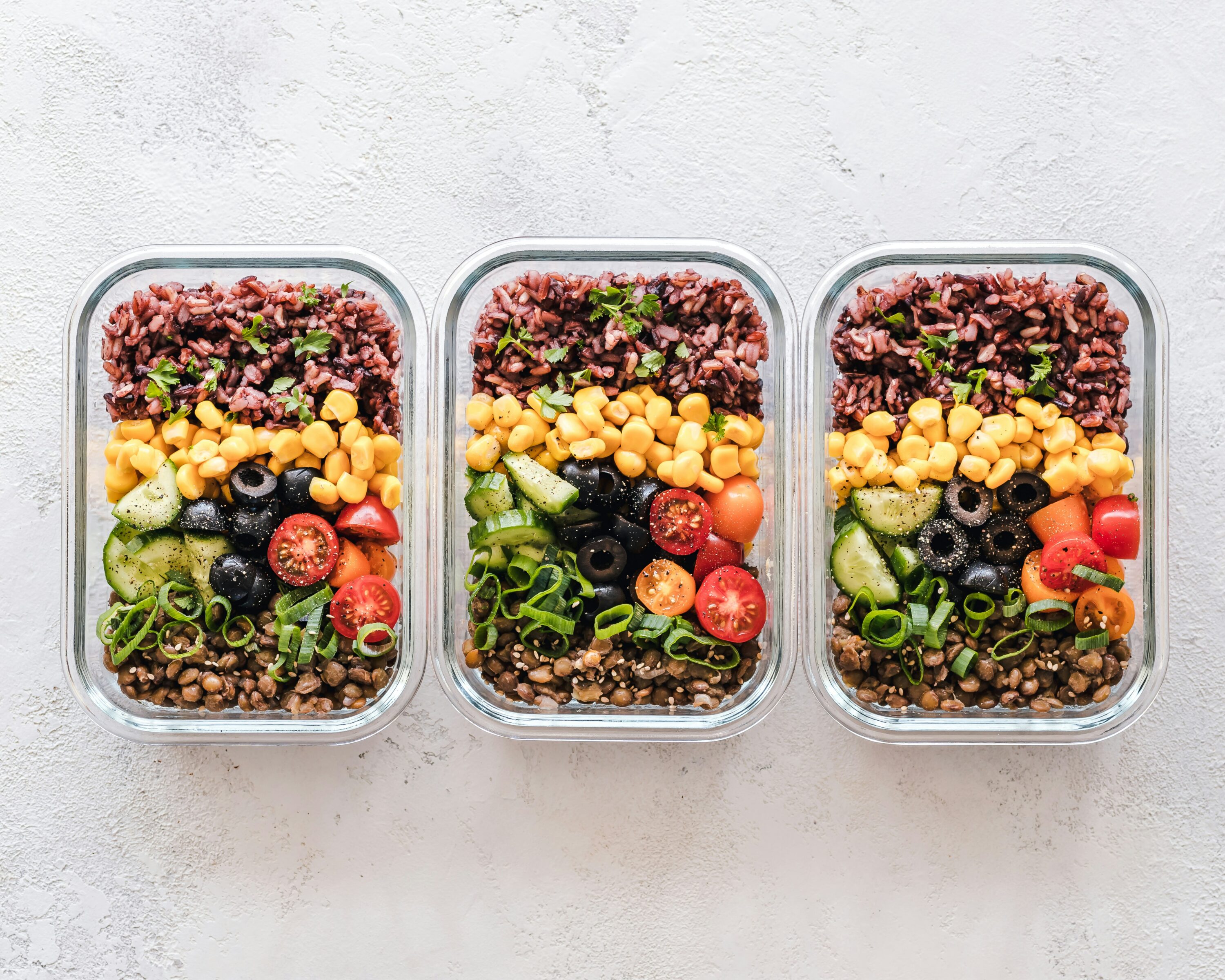
There is a middle ground between a prescriptive meal plan and no structure at all. A loose weekly template. A “plates and patterns” framework. A set of anchor meals they can return to when the week gets hard. These tools offer structure without rigidity and build the client’s relationship with food rather than replace it with external rules.”How do you want eating to feel day to day?”
Collaborate on something individualized
The most effective response to a meal plan request is usually one that the client helps build. What type of structure would feel supportive rather than constraining to them? What would make this week easier? “What have you tried in the past? What worked about that?” You’re not handing down a document, you’re building a scaffold together.
Structure and autonomy can coexist. For many clients, it’s actually how they get to food freedom
A Note for the Clinician in the Room
If you’ve ever frozen when a client asked for a meal plan, if you’ve over-explained, shut it down, or driven home wondering if you handled it right, this is for you.
That moment is hard, not because you’re a bad clinician, but because you’re a careful one. You’re balancing your values and your client’s needs at the same time, and sometimes that creates friction that doesn’t have a clean resolution.
Learning to sit with that friction, to stay curious rather than reactive, to hold the paradox rather than resolve it too quickly, is one of the most meaningful clinical developments. It doesn’t come from another training or certification. It comes from practice, reflection, and a professional space to process moments that don’t go as planned.
If you’re looking for that space, I’d love to tell you about the Clinical Case Circle. Feel free to email me at heather@intuitive-nutrition.com or DM me on Instagram at @antidiet.heather
And if you’re a newer RD who wants a concrete framework to bring to sessions, the Simple Session Frameworks is a good place to start. It’s free, and it was built for exactly these moments.